-
By GAMAAL Team
- In Uncategorized

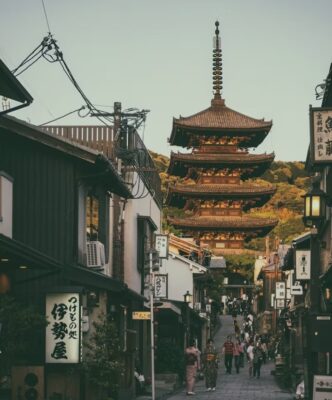
On a Bustling Street Corner in Kyoto, Japan 🇯🇵
Imagine you’re standing on a bustling street corner in Kyoto, Japan, surrounded by a whirlwind of colors, sounds, and aromas. The gentle breeze carries the fragrance of cherry blossoms, and you can’t help but feel a sense of wonder as you embark on a culinary adventure through this enchanting city.
As you walk through the historic streets, it becomes apparent that Kyoto’s rich cultural heritage isn’t confined to temples and shrines. It’s woven into the very fabric of daily life, especially through its delectable cuisine. Join me on a journey where we’ll explore Kyoto’s cultural tapestry through food, and I promise you, it’s an experience you won’t forget.
Savoring the Past!
Your adventure begins at a quaint tea house nestled amidst the lush greenery of the Higashiyama district. The soft rustling of leaves and the gurgling of a nearby stream create a serene backdrop as you sip matcha tea and savor freshly made wagashi, delicate traditional sweets. Each bite is a connection to Kyoto’s centuries-old tea culture, a window into the world of Zen Buddhism, and an appreciation for the aesthetics of simplicity.
As you indulge in these intricate sweets, you can’t help but wonder about the artisans who have perfected this craft over generations. Their dedication to preserving tradition is palpable in every bite.
The Art of Kaiseki
Further into your journey, you find yourself at a traditional ryokan, where a multi-course kaiseki meal awaits you. Kaiseki is an art form disguised as a meal. Each dish tells a story, mirroring the seasons and honoring local ingredients. The chef, a master of precision and patience, transforms the humblest of vegetables into works of art.
With each course, you’re invited to taste Kyoto’s changing seasons. The subtle bitterness of young bamboo shoots reflects spring, while a warm broth with yuba (tofu skin) hints at winter comfort. The conversation with your host turns into a fascinating history lesson, and you’re reminded that food here isn’t just sustenance; it’s a reflection of Kyoto’s soul.
Navigating Nishiki Market
A trip to Kyoto would be incomplete without a visit to Nishiki Market, often referred to as “Kyoto’s Kitchen.” Strolling through this narrow, bustling arcade, you’re greeted by a kaleidoscope of ingredients, flavors, and friendly smiles. Every stallholder is eager to introduce you to their culinary traditions.
You strike up a conversation with a tofu maker who’s been crafting soybean curd for decades. He tells you about the deep connection between tofu and Buddhism, explaining that monks have relied on this protein-rich staple for centuries. You sample freshly made yudofu, a simple but delicious dish that transcends generations.
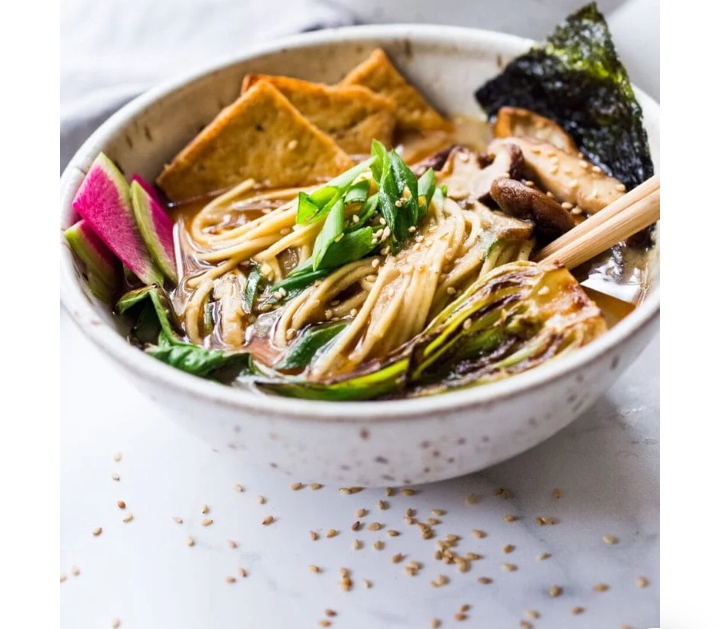
Vegan Miso Shiitake Ramen Recipes & Health Benefits:
- Shiitake Mushrooms: Shiitake mushrooms are rich in vitamins (such as B vitamins) and minerals (like copper and selenium). They are also known for their potential immune-boosting properties and may have anti-inflammatory effects.
- Garlic: Garlic is known for its potential cardiovascular benefits, as it may help lower blood pressure and reduce cholesterol levels. It also has antioxidant and anti-inflammatory properties.
- Ginger: Ginger has anti-inflammatory and antioxidant properties, and it’s often used to soothe digestive discomfort and nausea. It may also help with reducing muscle pain and soreness.
- Fresh Greens: Leafy greens like spinach are packed with essential nutrients like vitamins (such as vitamin K and folate) and minerals (like iron and calcium). They are also a good source of dietary fiber.
- Tofu or Tempeh: Tofu and tempeh are excellent sources of plant-based protein. They provide essential amino acids, making them valuable components of a vegan diet.
- Miso Paste: Miso paste is fermented and can contain beneficial probiotics that are good for gut health. It’s also a source of vitamins and minerals.
- Sesame Oil and Sesame Seeds: Sesame oil and seeds provide healthy fats, including monounsaturated and polyunsaturated fats. They also contain vitamins and minerals, such as vitamin E and calcium.
- Vegetable Broth: Vegetable broth can be a low-calorie and nutritious base, providing vitamins and minerals from various vegetables.
- Fresh Green Onions: Green onions (scallions) contain vitamins A and K, as well as antioxidants. They can add flavor and color to your dish.
- Nori Sheets: Nori seaweed is a source of essential minerals like iodine and may contribute to a healthy thyroid function.
Ultimately, the health benefits of these ingredients can vary depending on your dietary needs and preferences. Incorporating a variety of these ingredients into your diet can contribute to a well-rounded and nutritious meal. However, it’s essential to maintain a balanced diet with a wide range of foods to ensure you get all the necessary nutrients.
Respecting the Ingredients
Your journey through Kyoto’s culinary heritage has taught you one important lesson: respect for ingredients. Whether it’s the precise preparation of tea leaves, the careful selection of seasonal produce for kaiseki, or the reverence for tofu, each element is treated with utmost care and respect.
In Kyoto, food isn’t just a means to satisfy hunger; it’s a way to honor the past, celebrate the present, and preserve traditions for the future. Through food, you’ve connected with the heart and soul of this city, and in doing so, you’ve become a part of its cultural tapestry.
So, my fellow traveler, when you visit Kyoto, remember to embrace the stories, flavors, and history that await you in every bite. Your adventure is more than just a culinary tour; it’s a journey of the heart. Kyoto’s cultural heritage is alive and well, and it’s inviting you to savor every moment, one delicious dish at a time.
Ready to savor the flavors of this mouthwatering Vegan Miso Shiitake Ramen? Dive into the world of plant-based deliciousness and discover your new favorite recipe today! Get cooking now and elevate your culinary journey.